Production
Laying rate, egg grade, shell strength, growth and milk yield.
UK commercial poultry comparison
Discover what a UK commercial poultry comparison is revealing about the potential influence of water on farm performance.
Water: the common factor
Feed is formulated. Genetics are selected. Lighting and ventilation are monitored. Yet water, the input every animal depends on, is rarely examined as a performance variable.
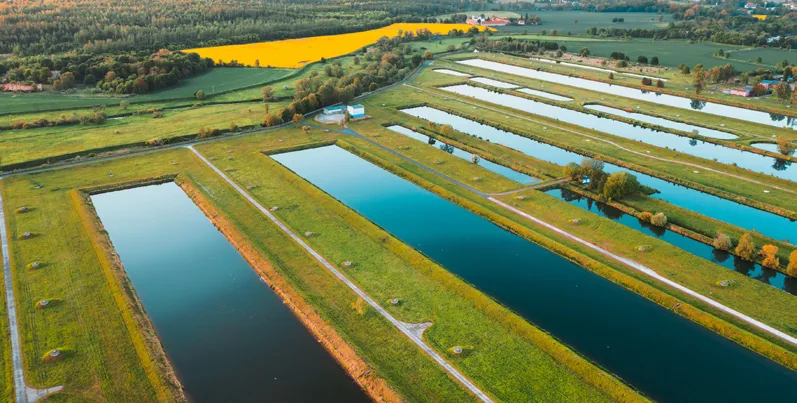
The overlooked costs
Laying rate, egg grade, shell strength, growth and milk yield.
Feed is the biggest bill. A 5% FCR shift can be worth thousands per cycle.
Mortality, vet bills, udder health, pecking and flock condition.
Line deposits, cleaning labour, chemicals, odour and slurry.
Small improvements, big returns
16,000 laying hens. 94% laying rate versus 91%.
Illustrative gross revenue based on laying performance recorded at 53 weeks and an egg price of £1.60 per dozen, before grading, rejects or production costs. Annual figure assumes the daily difference is sustained for 365 days.
Farm performance calculator
Enter your own figures and see what a modest improvement in laying rate could mean.
Illustrative only. Gross egg revenue before grading, rejects, feed and production costs. Not a guaranteed outcome.
Discuss these figures with usUK poultry evidence · Nafferton Wold Farms, East Yorkshire
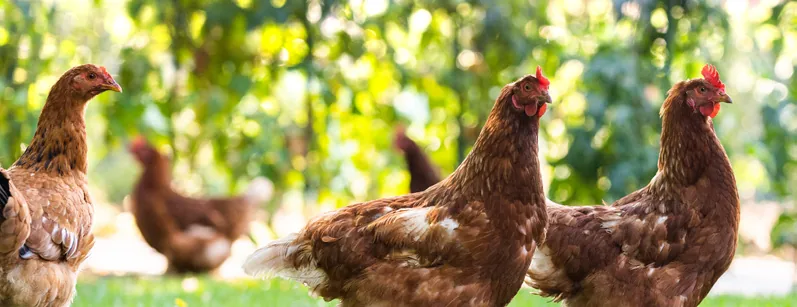
Hens from the same flock were split into two groups of around 16,000. Same borehole. Same feed and lighting. Only the water treatment was different.
+63 g per bird · approx. 3.4% heavier
Axis starts at 1,800 g to show the difference
+480 eggs a day across 16,000 hens
Axis starts at 85% to show the difference
Total viable count per ml at 37°C
First barn installation, one drinking-line location. Historical observations; not a disinfection claim.
Source: Nafferton Wold Farms production and Eggbase records. Commercial comparison, not a controlled scientific trial. Full production records will determine cumulative value.
How GRANDER® works
No dosing or additives. Water passes through as normal.
No power supply, controls or moving parts.
Virtually no routine maintenance after installation.
Units sit inside the farm storage tank, treating water before it reaches the drinking lines. As at Nafferton.
Inline units fitted to suitable existing pipework feeding sheds, parlours or troughs.
Units placed in a reservoir or well supplying ponds, hatcheries or irrigation.
Beyond poultry
Farmers across livestock and aquaculture report changes after GRANDER® installation. Select a farm type to read the full experience.
3–4 weeks
between tank cleanings, down from several times a week. Fewer egg losses and more stable oxygen reported.
25% lower
veterinary costs per cow on a 120-cow herd, with lower, more stable somatic cell counts reported.
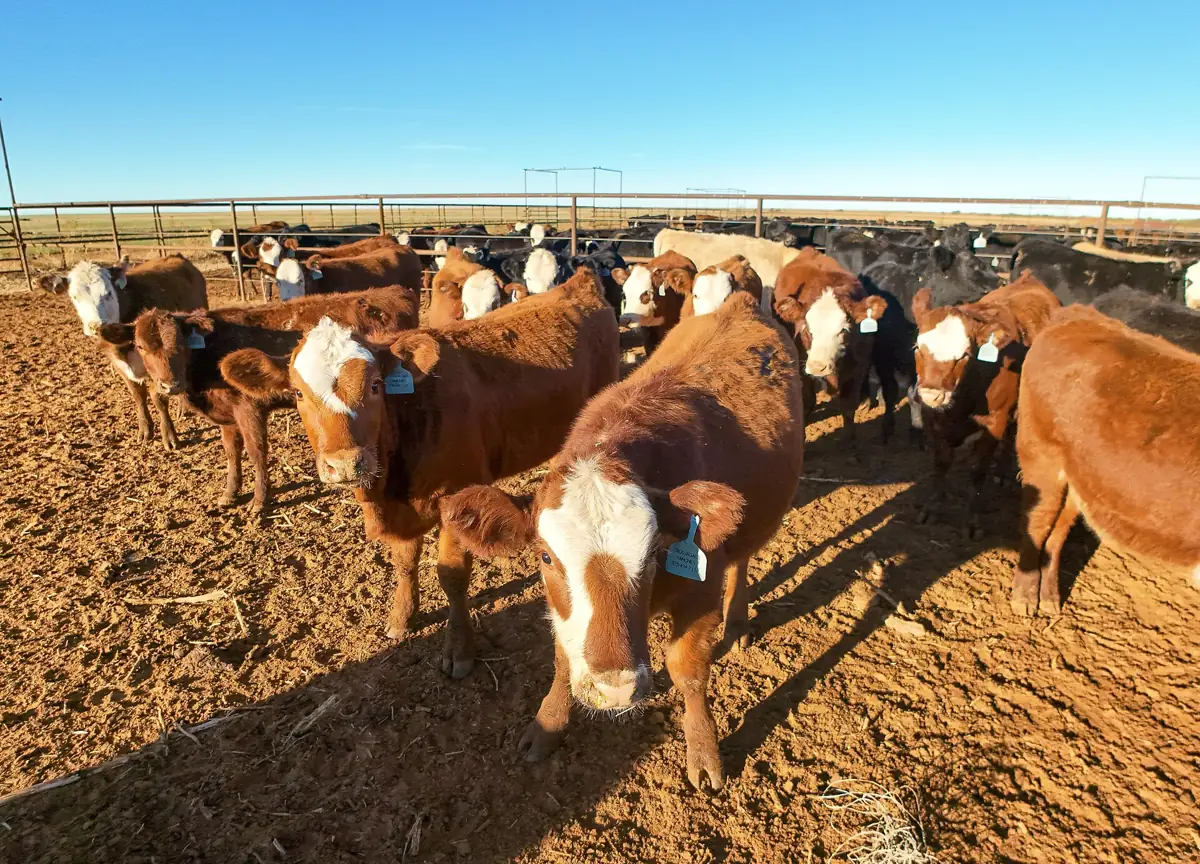
Every kilo
of liveweight gain starts with water intake. Ask us about evaluating water on your beef unit.
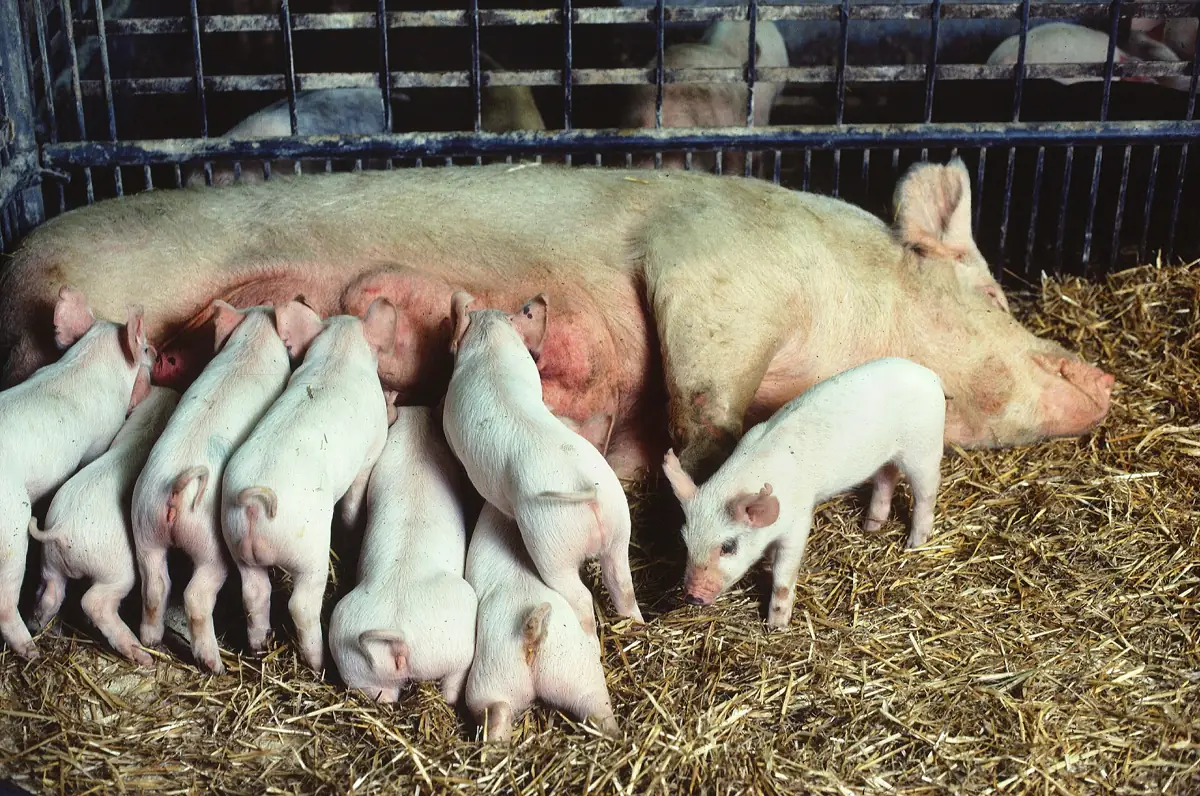
+21.7%
more piglets per sow (23 to 28 a year) reported on a 170-sow farm. Less slurry odour reported in Austria.
On a fish farm, water is not just something the stock drinks. It is the entire environment. This established German trout and char farm saw its daily workload change after installing GRANDER®.
An established commercial fish farm in Germany producing rainbow trout, brown trout, salmon trout and Arctic char. Its 32 ponds are supplied by a stream, while a separate well provides water for egg incubation and young fish.
Despite years of experience, the operator faced persistent problems. Oxygen levels fell as water travelled through the ponds, and temperatures varied by up to 2–3°C. Fungal contamination threatened developing eggs. Incubation and rearing tanks needed intensive cleaning several times a week.
Every lost egg is an investment that never reaches market, and every hour spent cleaning is time taken away from productive work. Extra oxygen and treatments add further cost.
In 2007 the farm installed four GRANDER® double-cylinder units in the stream reservoir and a fifth in the well that supplies the incubation facilities. The units work passively within the existing water system, with no electricity and no chemical dosing.
Mastitis, high somatic cell counts and lost milk income are among the biggest hidden costs on a dairy farm. Two dairy families report what changed after they installed GRANDER®.
Anders Laugesen runs a 120-cow organic dairy farm in Aulum, Denmark. After introducing GRANDER® water revitalisation, he reported a 25% reduction in veterinary costs per cow.
Alongside the lower vet bills he reported lower and more stable somatic cell counts, fewer cases of udder inflammation and retained placenta, and lower consumption of cleaning agents.
The Berger-Zechner family installed GRANDER® in their dairy operation in 2005. They reported a measurable increase in how much the cows drank, followed by higher milk production and a significant reduction in the cleaning substances needed for the milking equipment.
Feed, genetics and herd management all influence cattle performance. But water is involved in every stage of growth, from feed intake and digestion to animal condition and finishing weight.
What if your water system deserves as much attention as your feeding programme?
GRANDER® has been used on livestock farms internationally for decades, with farmers reporting improvements in animal condition, drinking behaviour, reproductive performance and farm water systems.
At a German organic farm, Konrad and Inge Weinberger reported improvements in cattle reproduction and slurry management following GRANDER® installation.
In the UK, the Nafferton Wold Farms poultry comparison recorded the 63 g bodyweight difference shown above. Different species, but it raises an important question: could water revitalisation also offer measurable opportunities in beef production?
Independent research has shown that how cattle are supplied with drinking water can influence growth, as the 29% study above illustrates. That study did not involve GRANDER®, but it shows why water deserves attention alongside feed and genetics.
Piglet mortality, vet costs, fertility, feed efficiency and slurry management decide whether a pig unit makes money. Water runs through all five.
At a 170-sow Swiss breeding farm, pig specialist Thomas Niederoest reported an increase from 23 to 28 piglets per sow per year after GRANDER® was installed. That is 21.7% more piglets from the same sows.
He also reported improved fertility, healthier animals and fewer losses.
Pig farmer Franz Katinger had tried numerous products to tackle persistent manure odour, without success. After installing GRANDER® he reported significantly less odour during slurry spreading, the disappearance of the floating crust on the slurry, and a more neutral pH with less problematic fermentation and rotting.
A controlled 50-litre wastewater evaluation with the Lagos State Wastewater Management Office, a Nigerian government agency, produced results consistent with what pig farmers have reported for decades.
Farmer-reported experiences. Sources: GRANDER® Fish Farming Case Study (Germany, 2007); GRANDER Journal V p. 38–39; GRANDER Journal II p. 25.
Global farming experience
From Austrian dairy parlours to Australian quail hatcheries, producers on several continents have put GRANDER® to work.
32,000-hen commercial comparison
Dairy: more water drunk, more milk
Organic dairy: 25% lower vet costs per cow
23 → 28 piglets per sow per year
32 ponds, four species
At least 10% lower mortality
Pig slurry odour reduced
79% COD reduction vs 21% control
Also reported: Happy Hens Egg Farm (10–12% feed-conversion savings) and Wayanda Farm (124 g vs 84 g daily weight gain).
Evidence & downloads
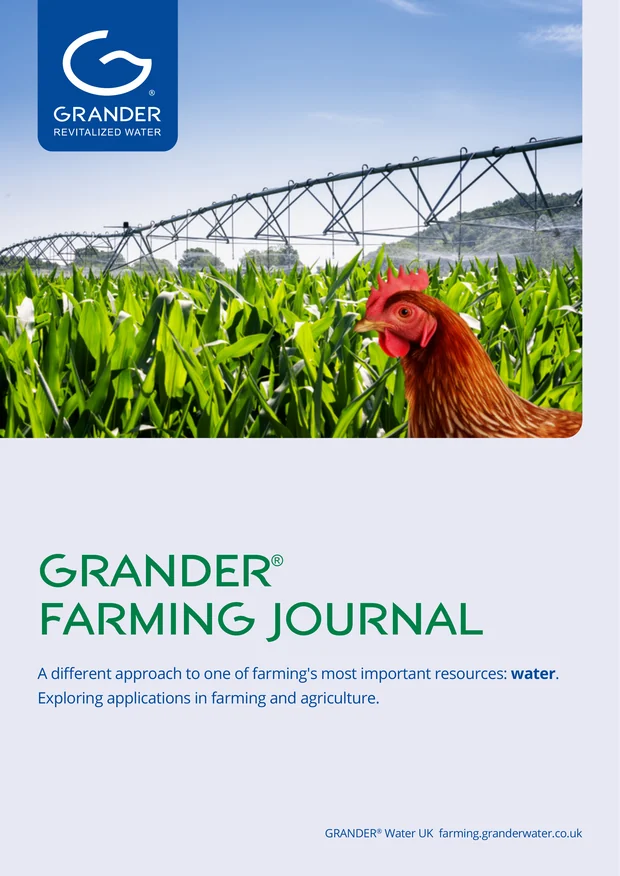
16 pages covering the UK poultry comparison, broiler growth, fish farming, dairy, pigs and the financial case for looking at water.
Download the Farming Journal PDF · 2.5 MBFarm assessment
You don't need to change everything to find out whether GRANDER® could make a difference.
We discuss your farm, your water system and where you see the biggest opportunity.
We identify a suitable installation and agree the measures that matter, using records you already keep.
After installation, we compare performance against your baseline so the results speak for themselves.
Contact
Poultry, pigs, dairy, beef, fish or mixed farming. Tell us a little about your operation and we'll be in touch.